
01/04/26
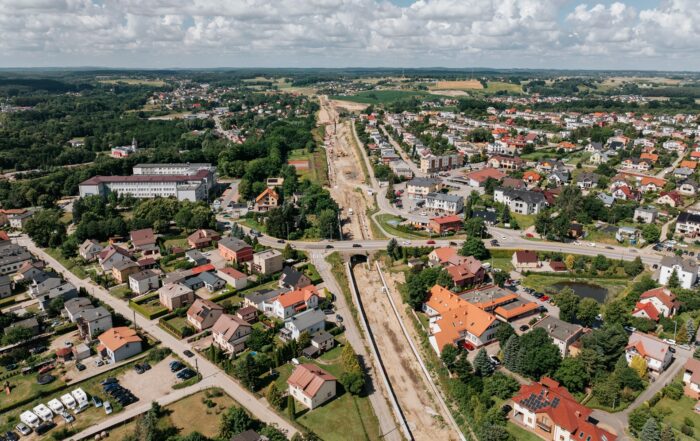
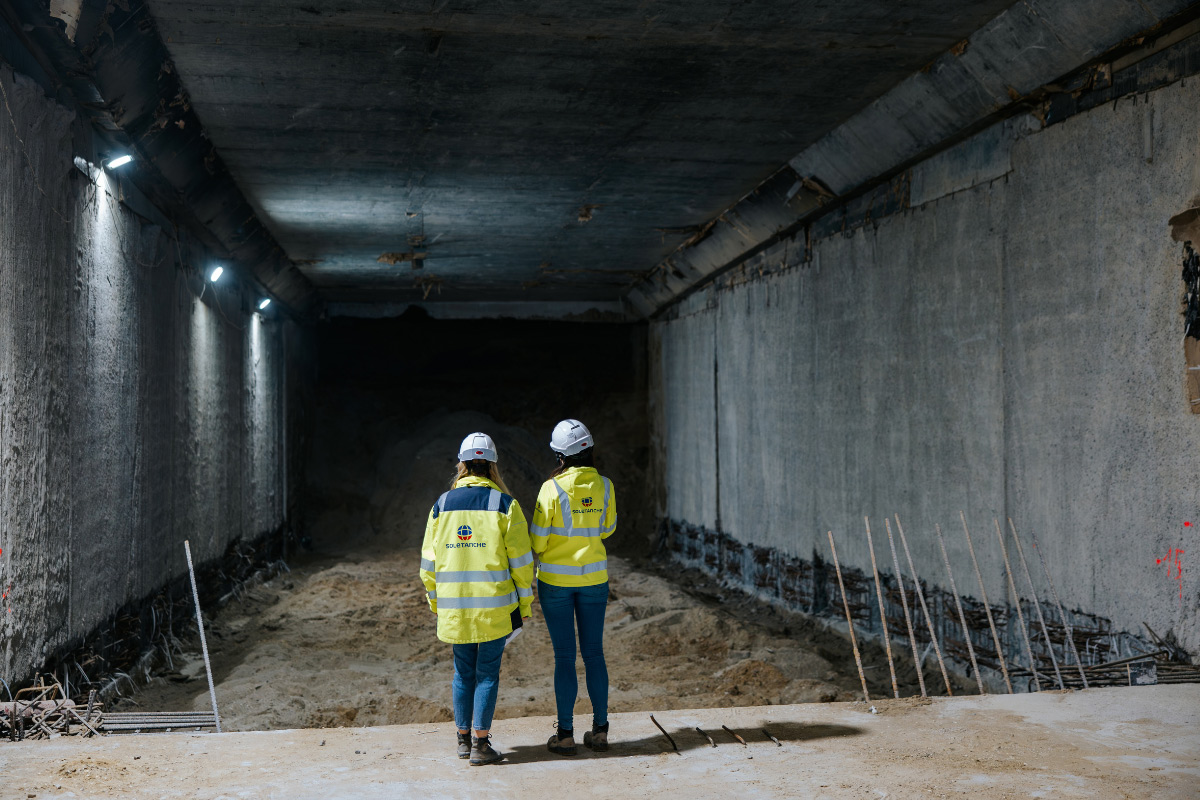
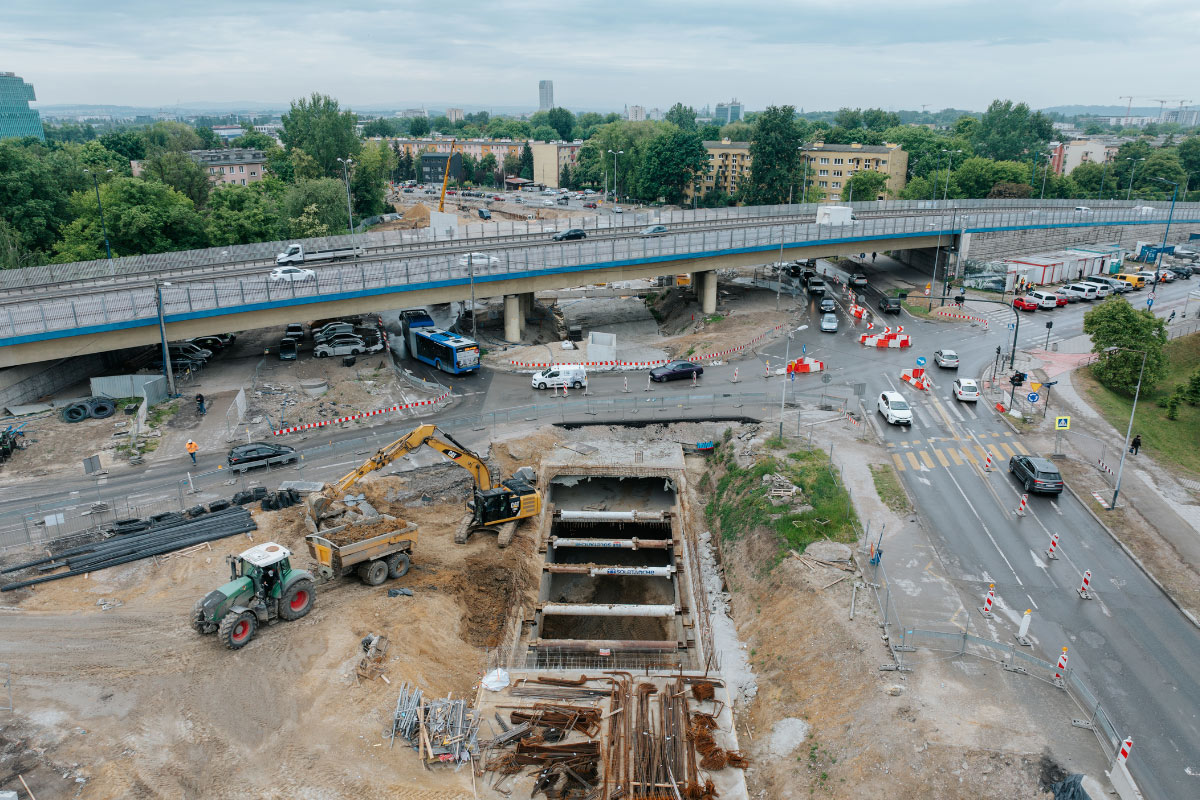
The construction of the foundation works for Phase IV of the Cracow Fast Tram (KST) has entered its final stage. At the end of May 2025, the last section of the diaphragm wall was completed – 53 linear metres in the area of Rondo Młyńskie. As a result, the entire tunnel, with a total length of 1.23 km, has been fully secured with the designed foundation structure. Intensive finishing works are currently underway, preparing the project for the next phase – installation of the track system and technical infrastructure.
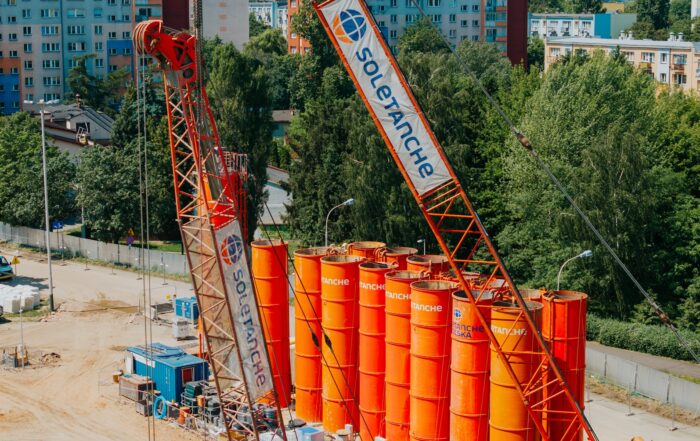
The geotechnical scope of the project is being delivered by Soletanche Poland, acting under contract for the general contractor Gülermak. The investor is the Municipality of Cracow – the Roads Authority of the City of Cracow.
– The main foundation works for Phase IV of the Cracow Fast Tram are now behind us – says Miłosz Pulit, Site Manager at Soletanche Poland. – We are currently focusing on the final tasks related to structural protection and finishing works, which conclude this intensive and technically demanding geotechnical phase of the project.
.
Underground technology
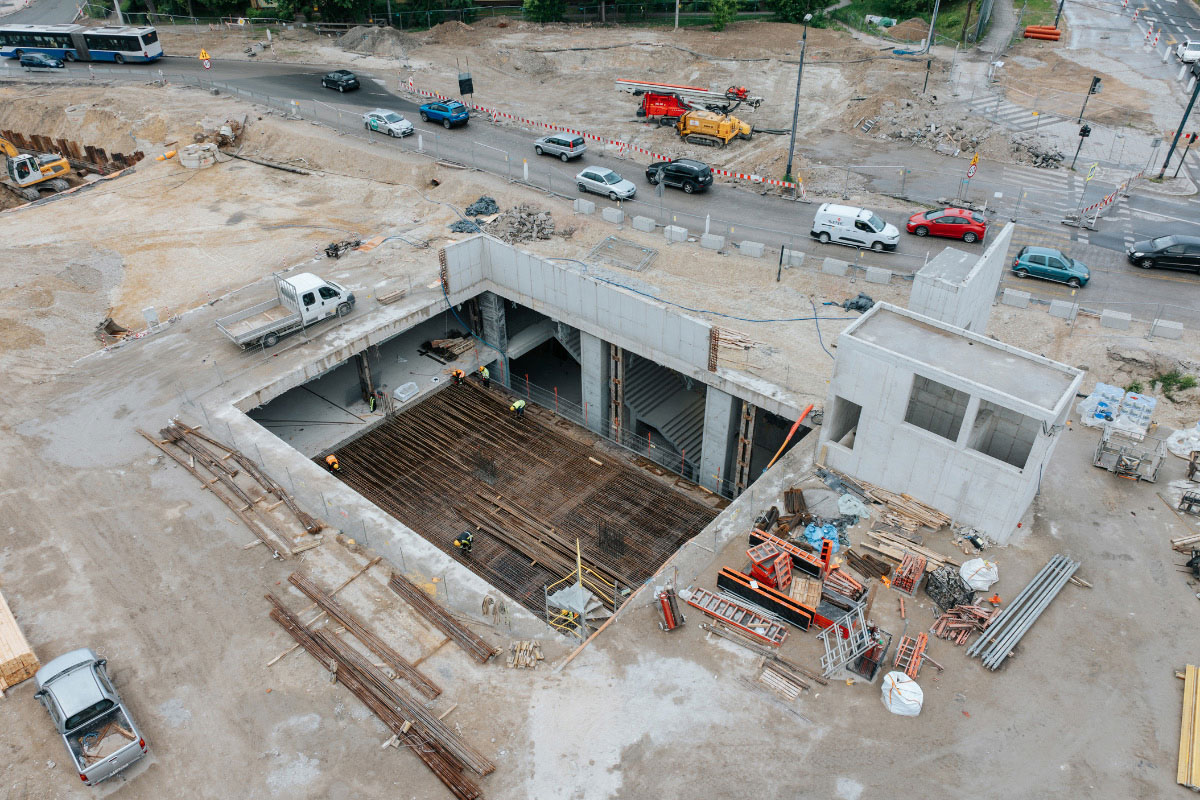
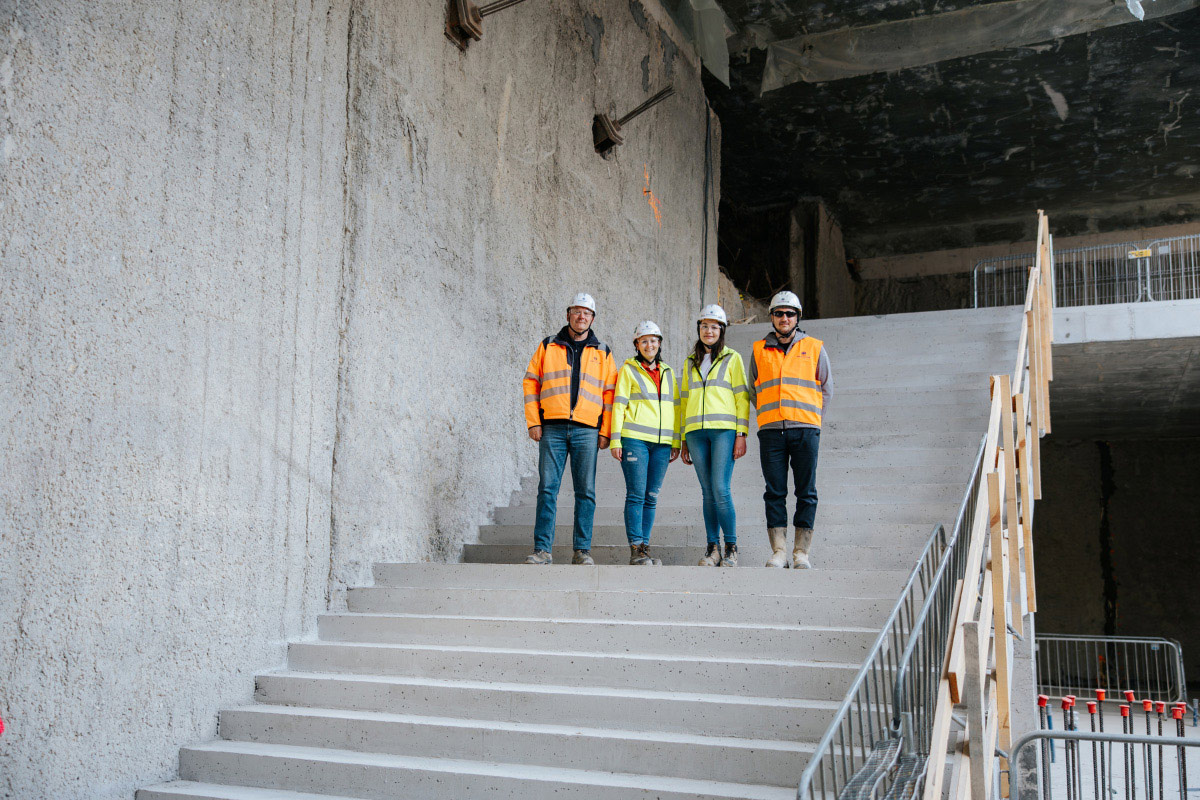
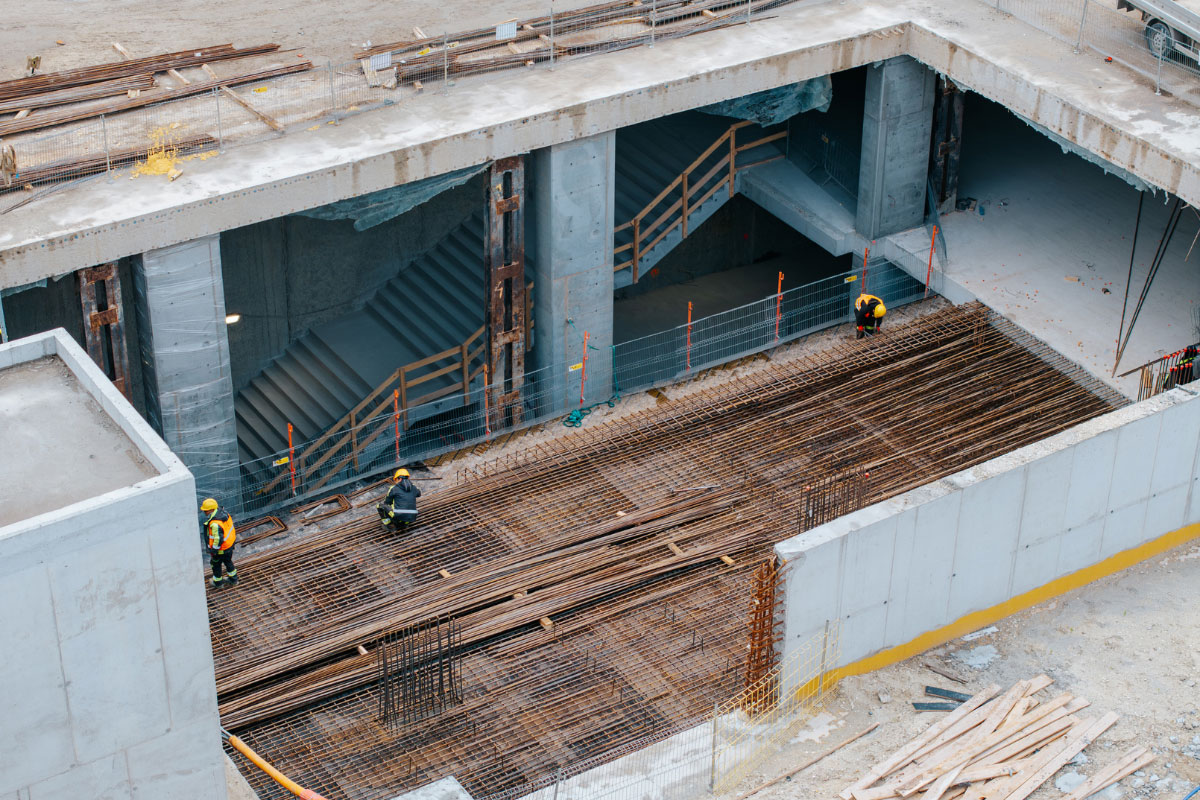
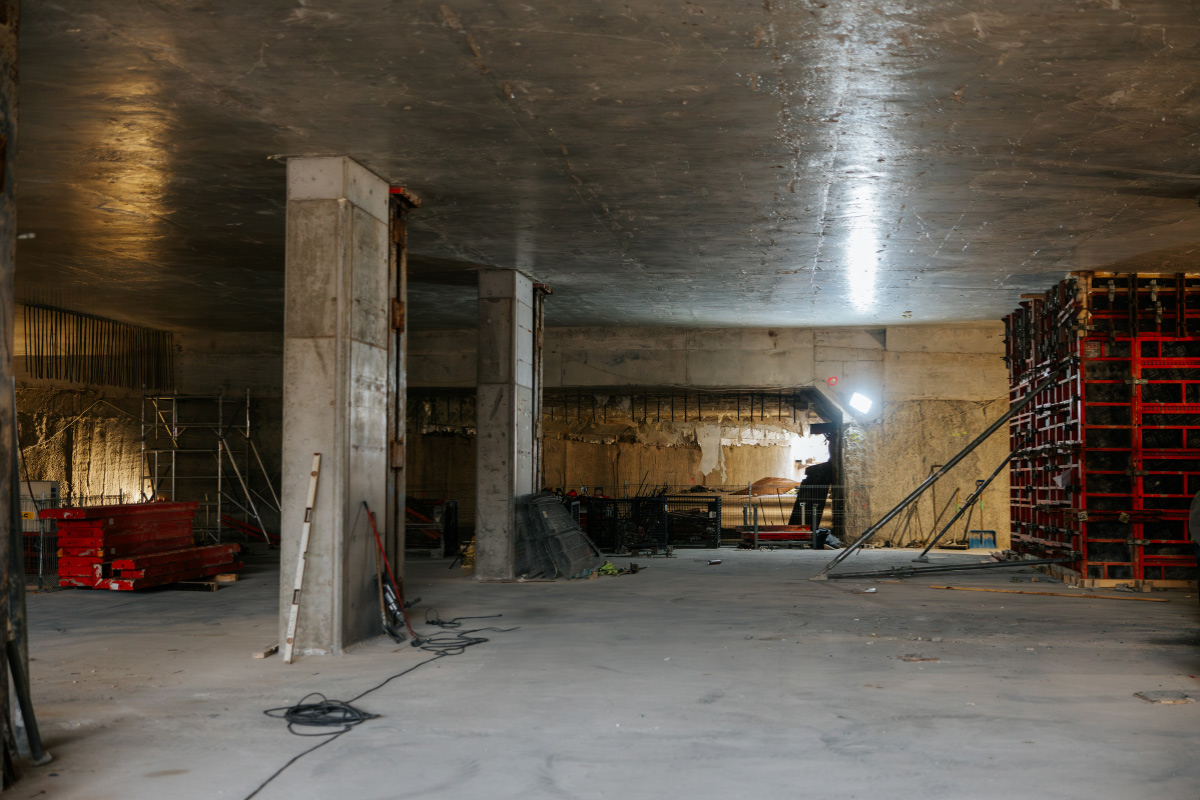
The scope of works carried out by Soletanche Poland includes the construction of diaphragm walls along the tram tunnel section, as well as within the two underground passenger stations – Rondo Polsadu and Rondo Młyńskie.
– These structures were designed to fulfil several key functions. First and foremost, they form the permanent tunnel lining as well as the load-bearing structure of the underground stations and their access entrances. Additionally, in selected parts of the project, the diaphragm walls also serve as temporary excavation support, enabling safe continuation of earthworks – explains Paulina Babiarz, Construction Engineer at Soletanche Poland.
The executed works included, among others:
- 2.5 km of diaphragm walls with a thickness of 0.6–1.0 m and a depth of up to 21 m,
- 12 roof anchors at the Polsad station,
- a steel strutting system,
- foundation barrettes with temporary slab support,
- seepage cut-off walls protecting against groundwater inflow and earth pressure.
The most complex stage of the entire project was the execution of diaphragm walls beneath the operational Gen. Pilot Mateusz Iżycki Flyover.
– The headroom clearance, i.e. the available working space, was severely limited – from ground level to the underside of the girders we had only 7 metres. This significantly restricted the operation of heavy equipment – explains Justyna Żabka, Project Manager at Soletanche Poland. – In order to safely and accurately execute diaphragm walls with a thickness of 80 cm and a depth reaching up to 21 metres, we brought in specialised machinery from France and Germany.
During the works, the flyover structure and nearby buildings were subjected to a specialised inclinometer monitoring system by Sixense. This technology enables continuous monitoring of the condition and behaviour of structures, infrastructure and the surrounding environment.
New route, new opportunities
The new Cracow Fast Tram tunnel begins in the vicinity of Rondo Barei, runs beneath Lublańska and Młyńska streets, and emerges to the surface near Meissnera Street. Two interchange stops have been designed along the route – Rondo Polsadu and Rondo Młyńskie.
The entire Phase IV project will deliver 4.5 km of new tram line connecting the north-eastern districts with the city centre. This will result in faster access to central Kraków and improved integration with other modes of transport. The investment will also relieve the most congested road corridors in this part of the city. By routing part of the line through a tunnel, trams will bypass junctions and traffic lights, reducing travel time.
What’s next?
In the coming months, finishing works in the tunnel will be completed. This will be followed by the installation of the track system, safety systems, station infrastructure and operational testing. The investment will become one of the most modern and important components of public transport in Cracow.