

Micropiles
Micropiles are piles with a diameter of up to 300 mm, designed to transfer structural loads primarily through shaft friction along the soil–pile interface.
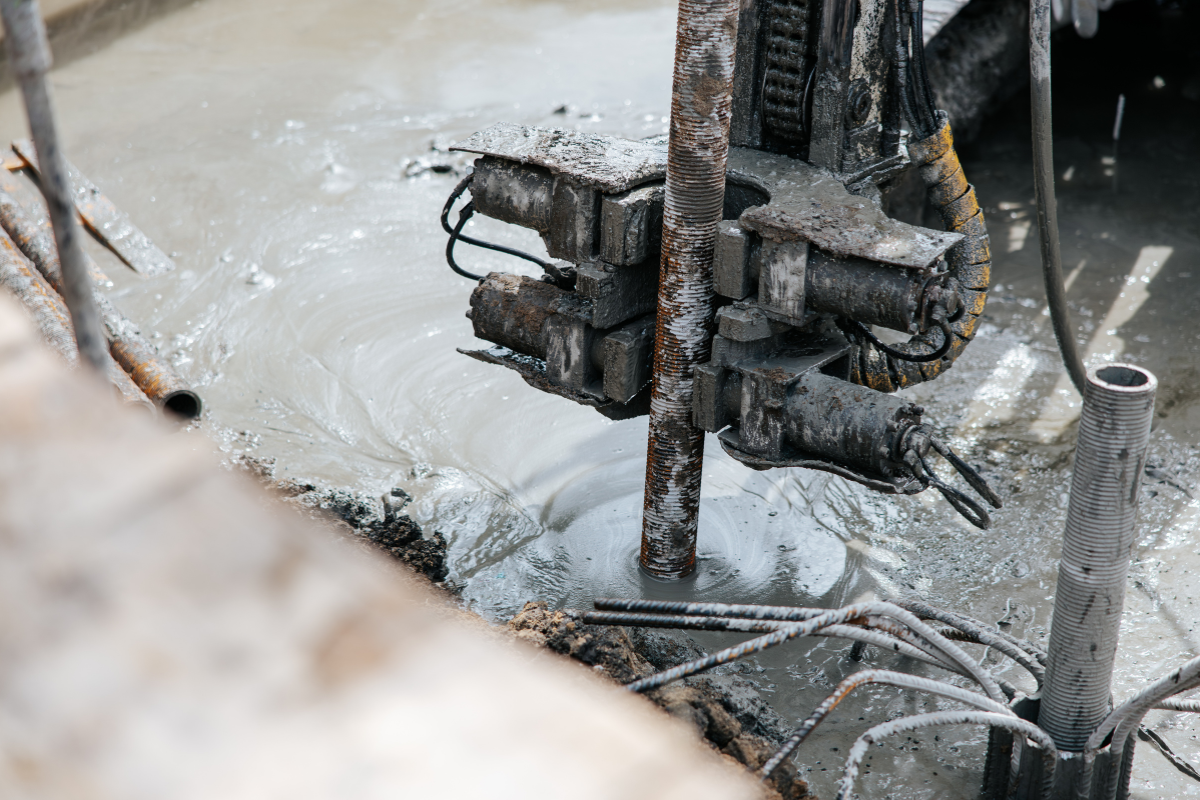
At Soletanche, micropiles are installed using two drilling technologies. Drilling with specialized hollow threaded drill rods fitted with a drill bit, combined with simultaneous grout injection. The grout facilitates drilling and ensures effective bonding between the rods and the surrounding soil. Drilling within a temporary casing, combined with simultaneous grout injection, installation of reinforcement, and subsequent grouting/injection.
Advantages of micropile technology
- Versatile application – suitable for foundation works, tension load transfer, inclined drilling, repairs, strengthening works, and retaining structures.
- Flexibility in challenging site conditions – effective in restricted headroom, platform-based operations, and in close proximity to existing structures.
- Adaptability to soil conditions – installation methods are selected based on soil stability, drillability, hardness, and grain size distribution.
- Wide range of diameters, lengths, and installation methods enables tailoring micropile parameters to the specific requirements of each project.
Applications of micropiles
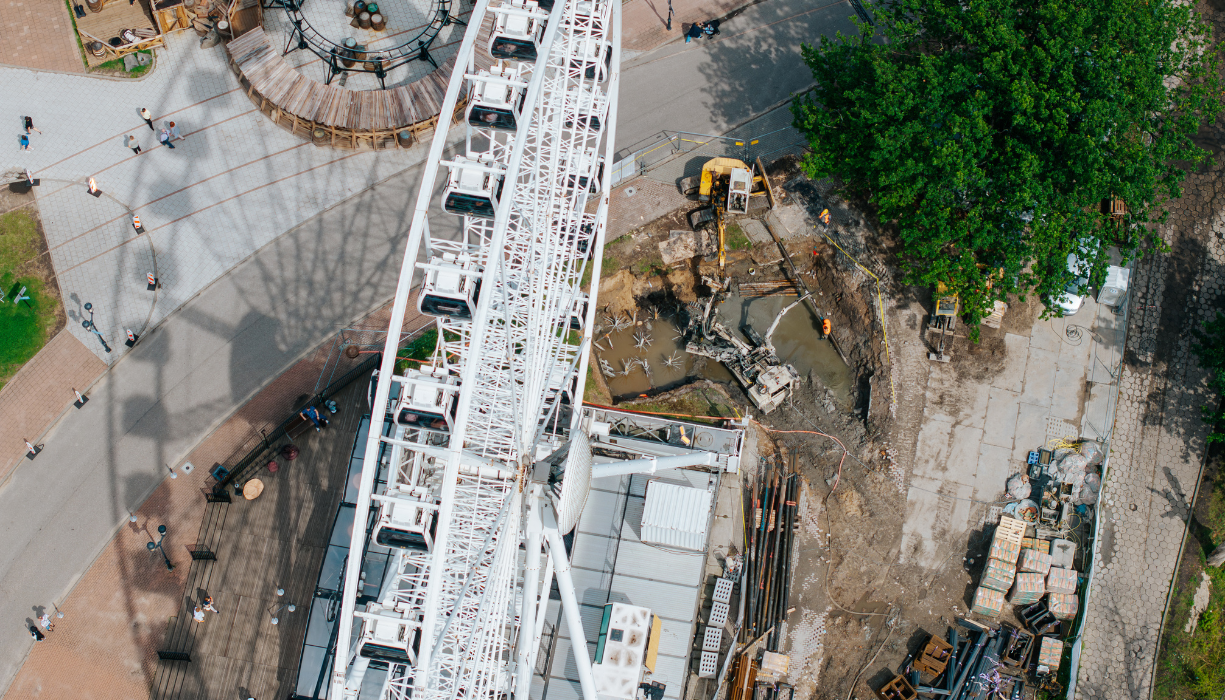
Micropiles are installed using significantly smaller, lighter, and more compact equipment than traditional piling rigs, which allows works to be carried out within existing structures.
This technology performs particularly well in the construction of new facilities, repair and strengthening of foundations of existing buildings, and in retaining structures such as Berlin-type micropile walls. Micropiles are also used in water and hydraulic engineering, for example during dam construction.