02/09/24
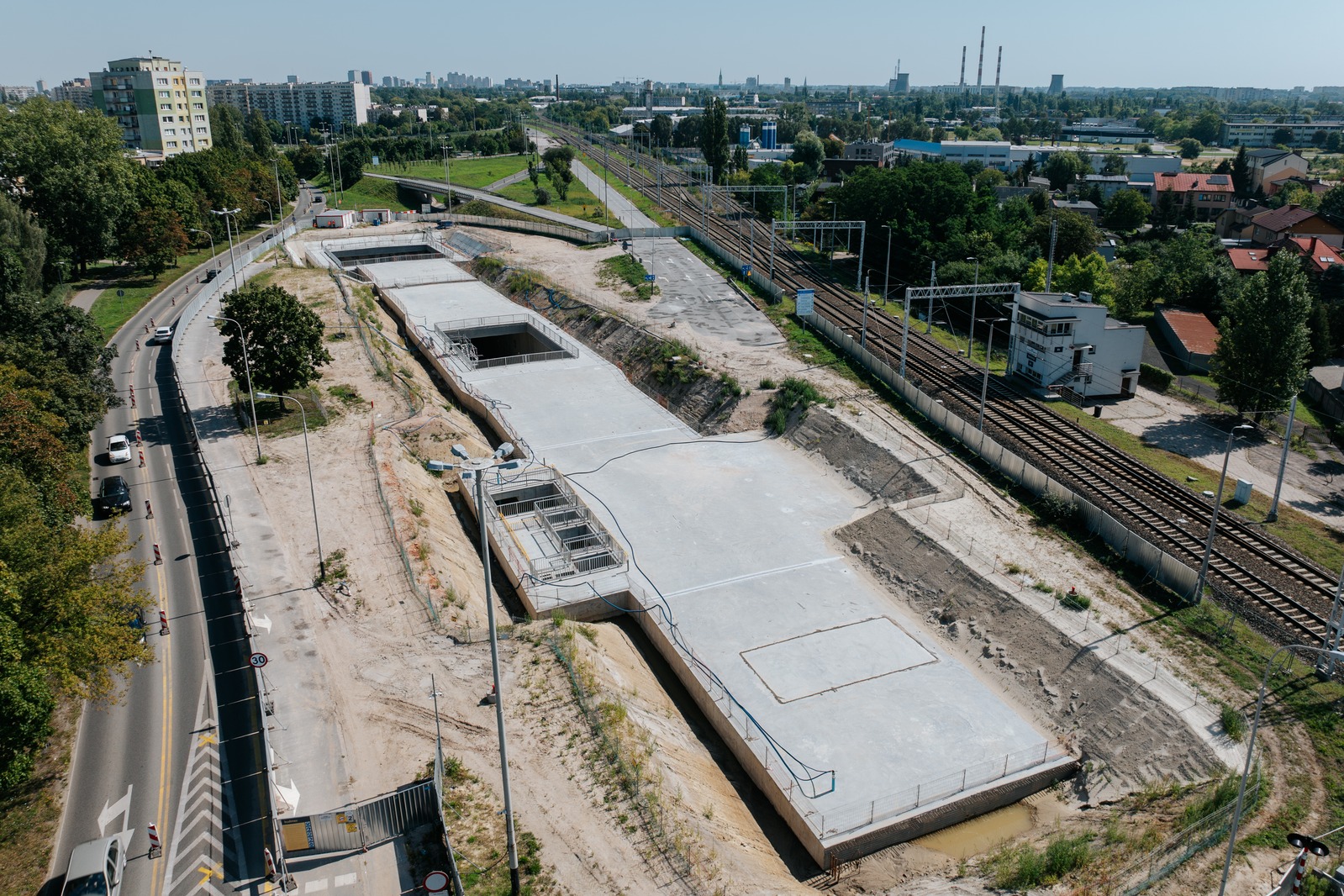
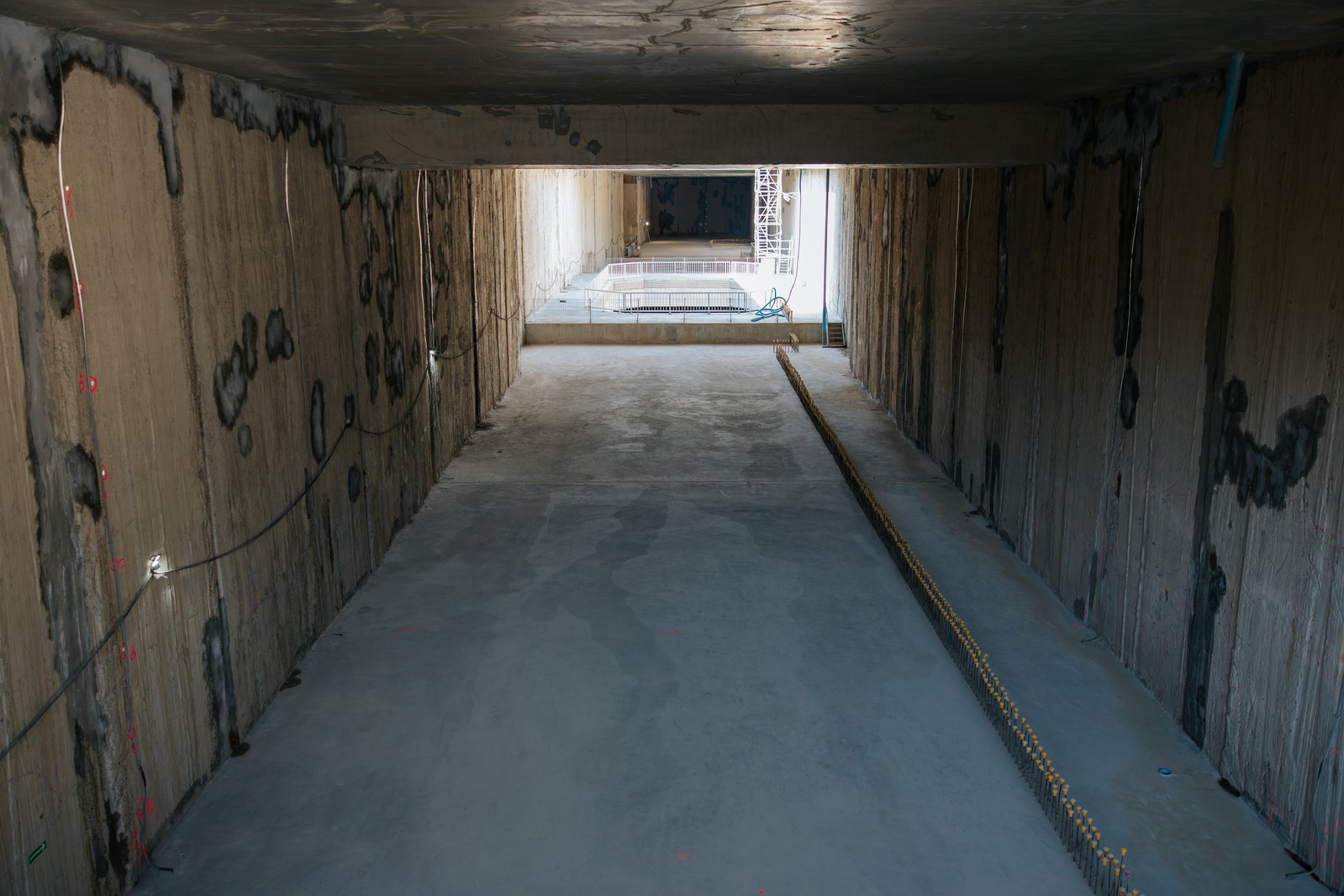
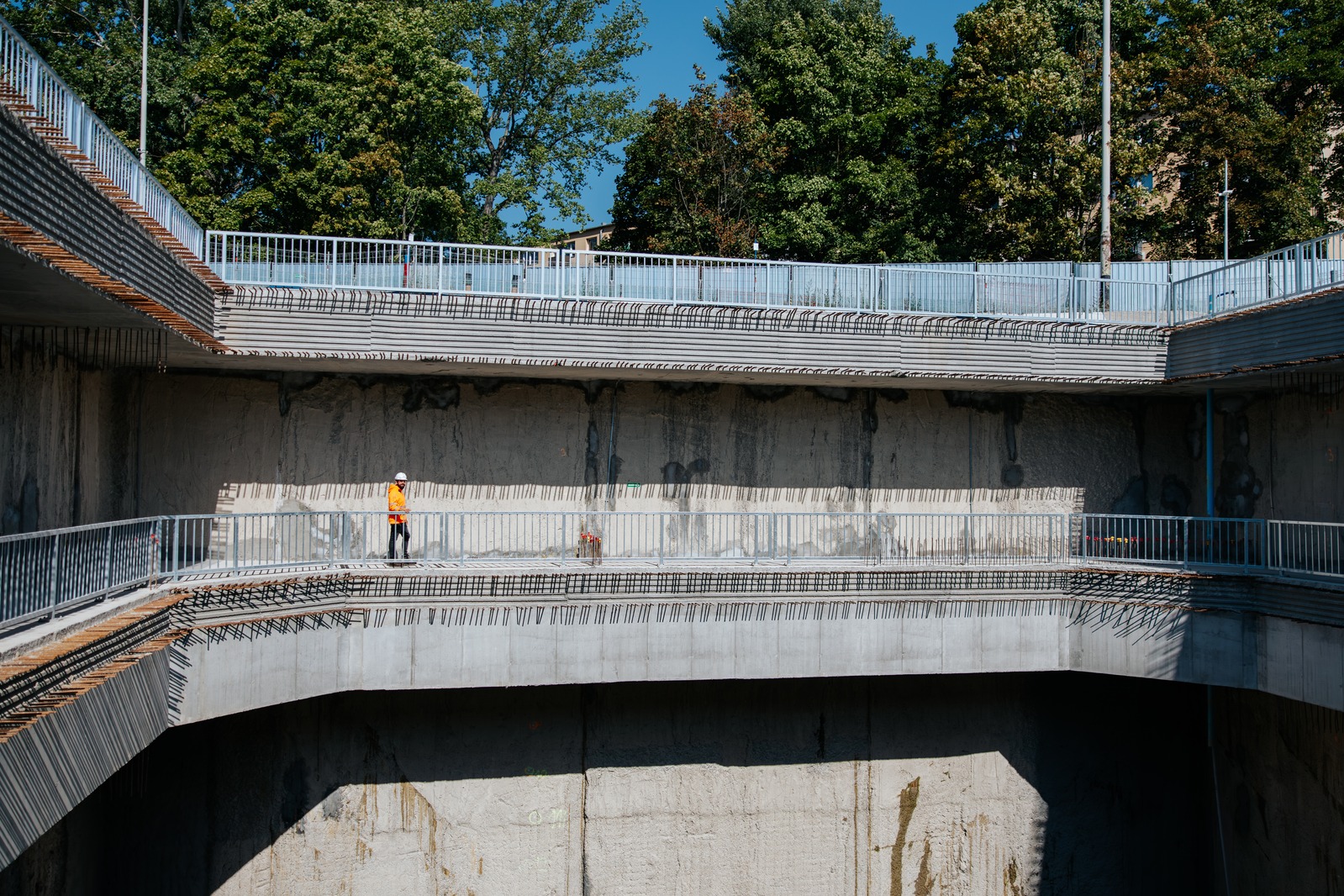
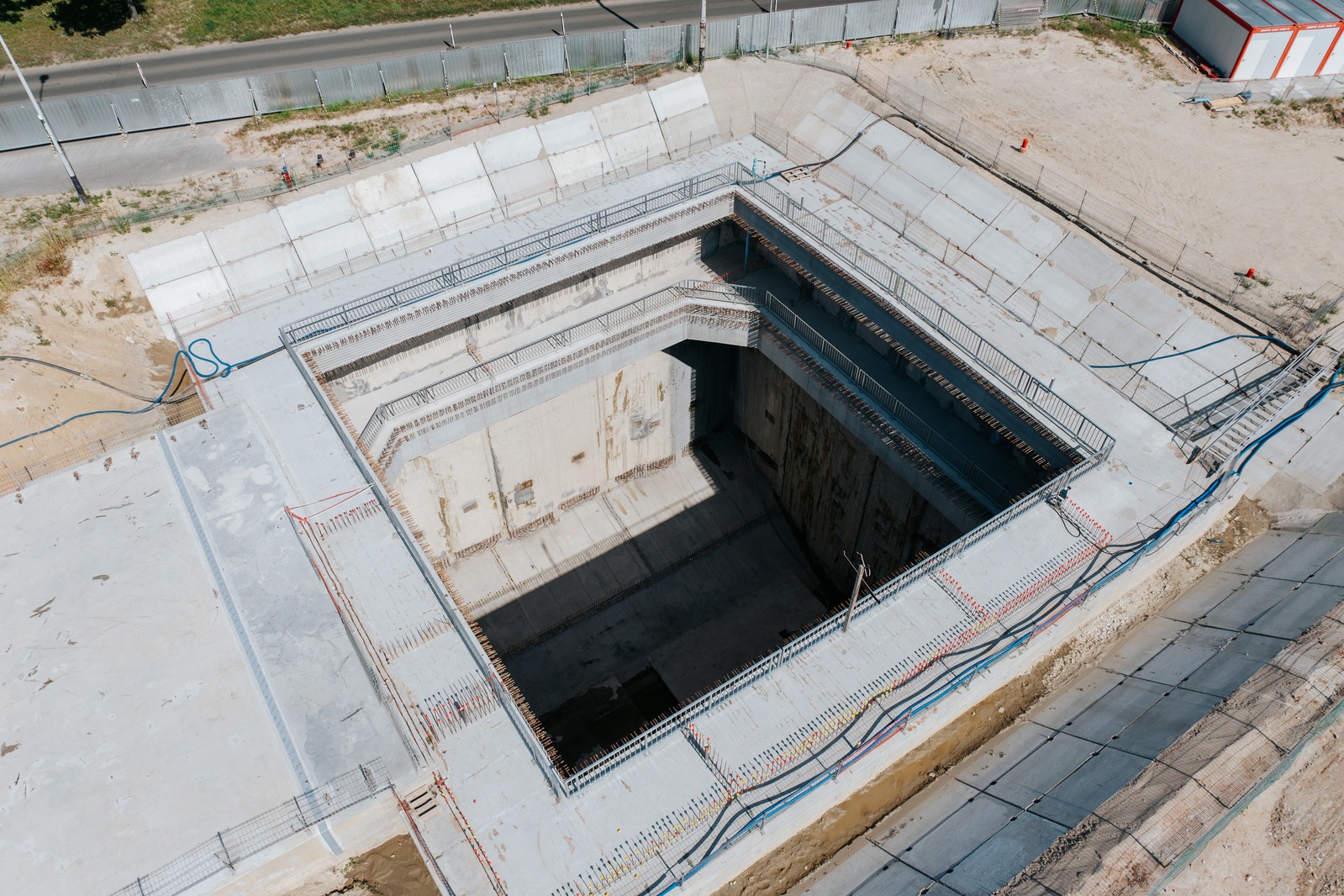
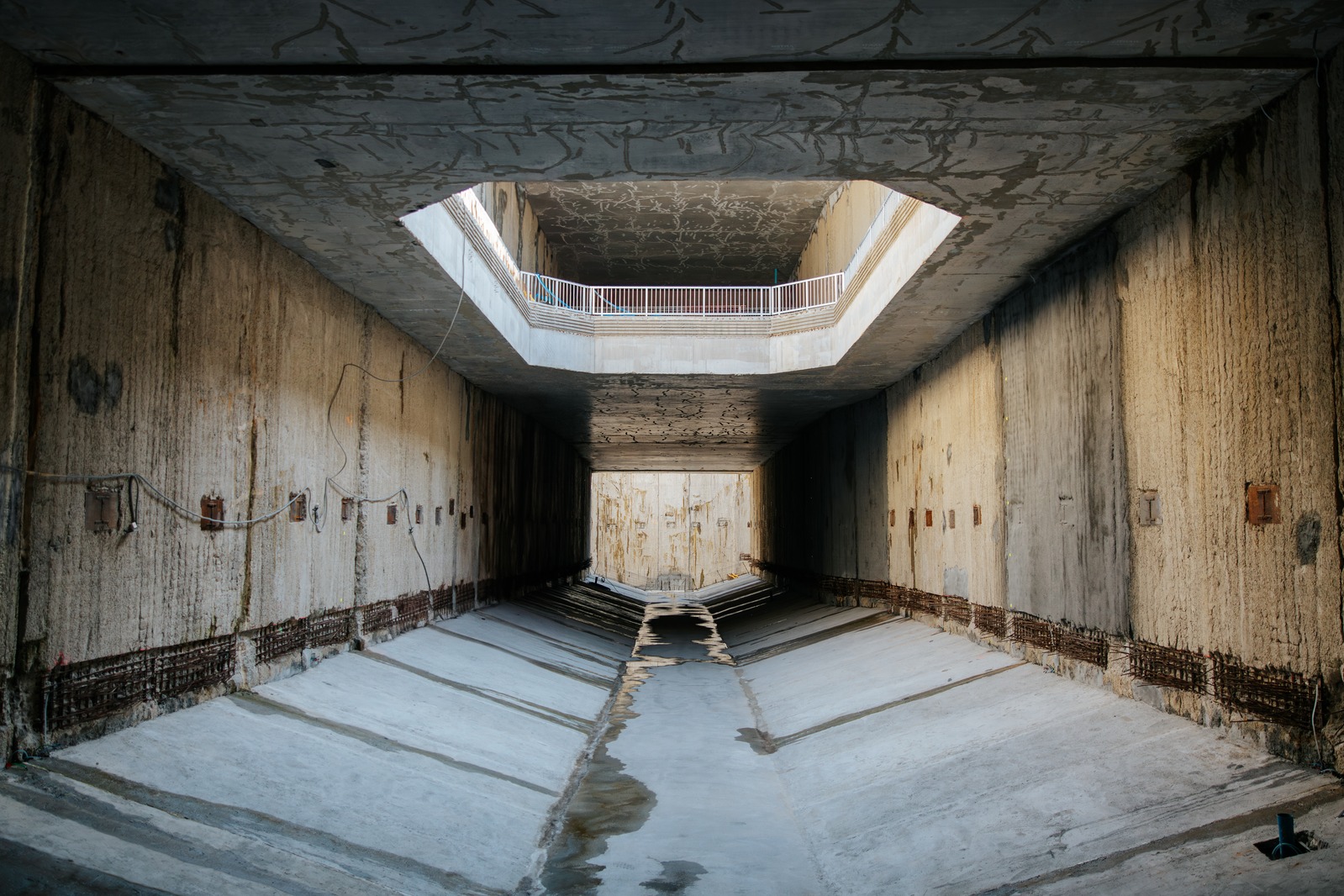
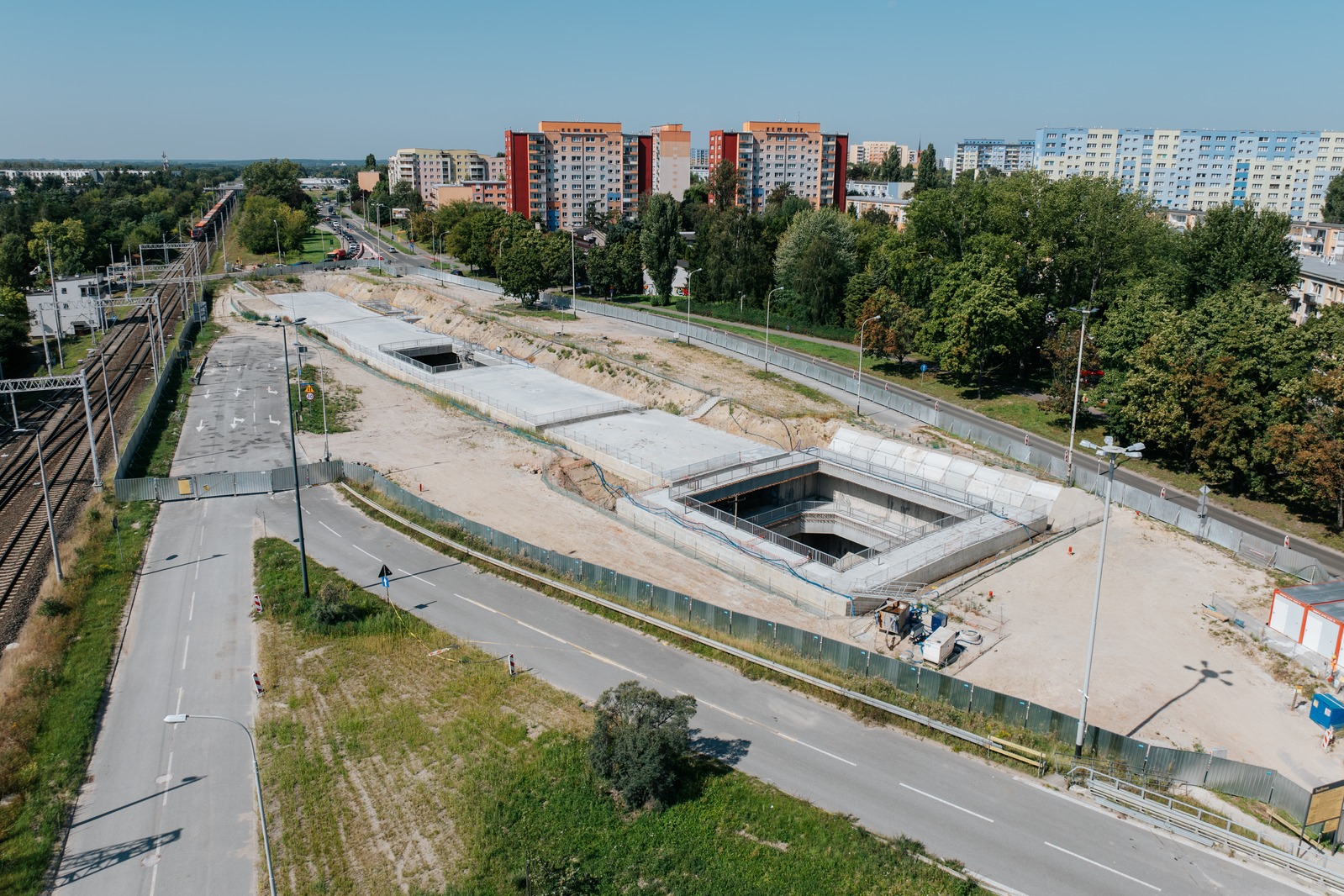
The retaining structure of the “Retkinia” shaft is under construction as part of the project “Long-distance tunnel construction in Łódź along Railway 85 with a connection into Railway 14”. It is here that the TBM cutter head will begin its work to bore a long-distance tunnel towards the Łódź Fabryczna train station.
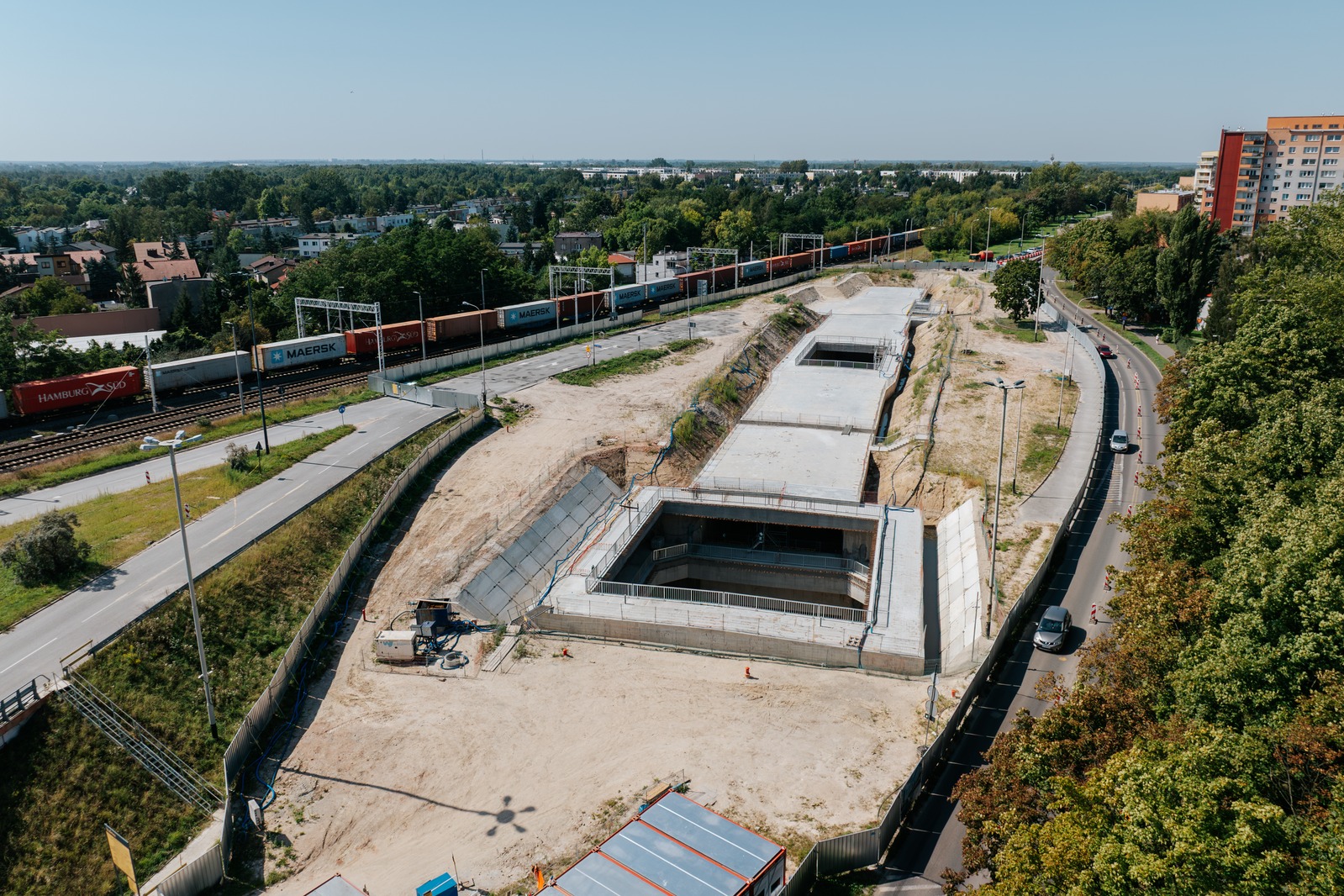
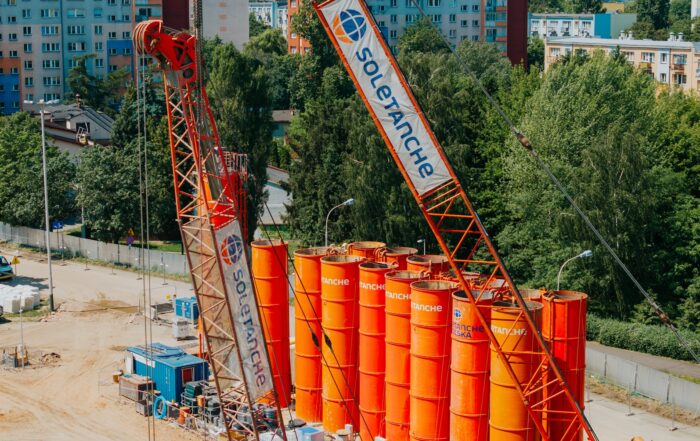
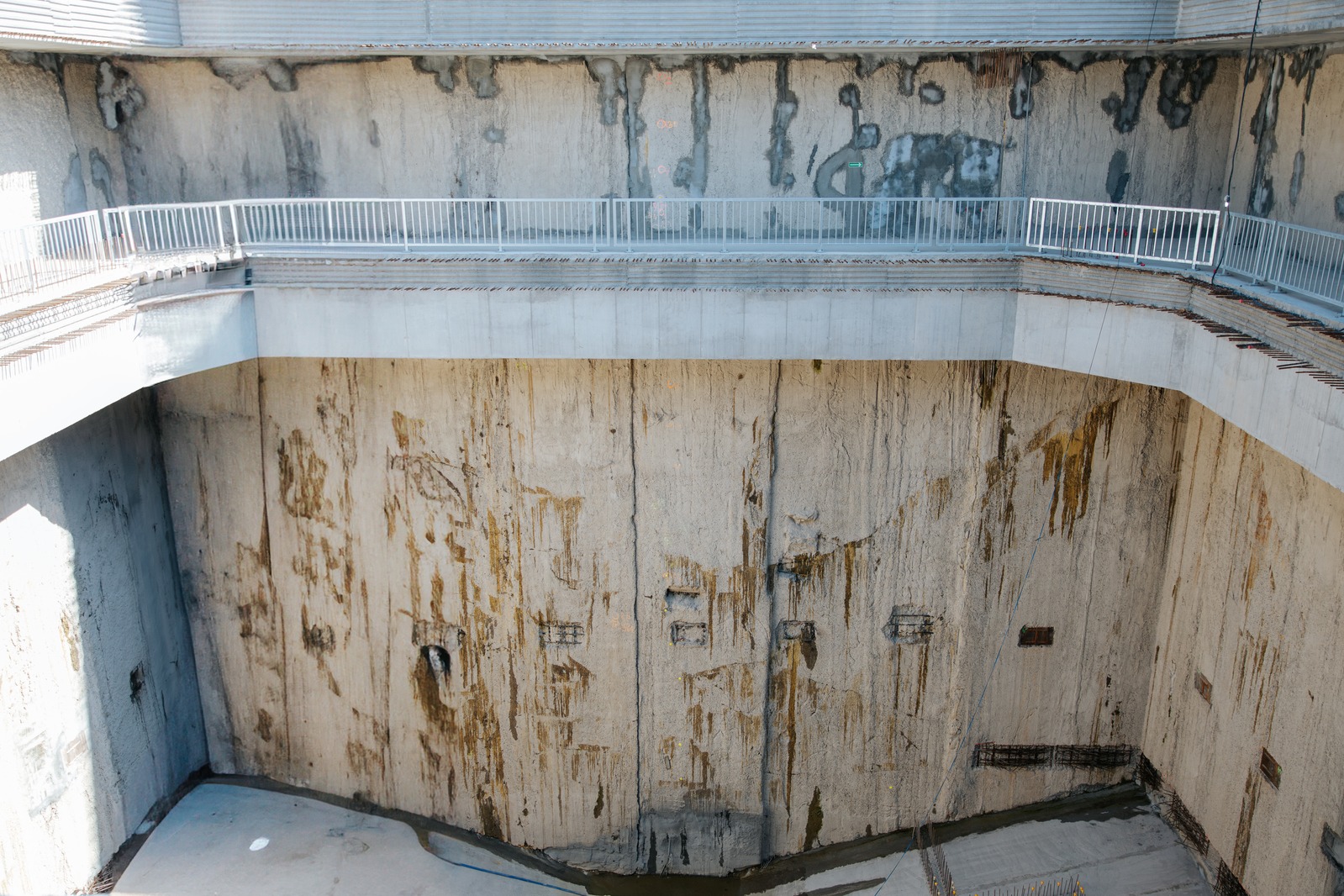
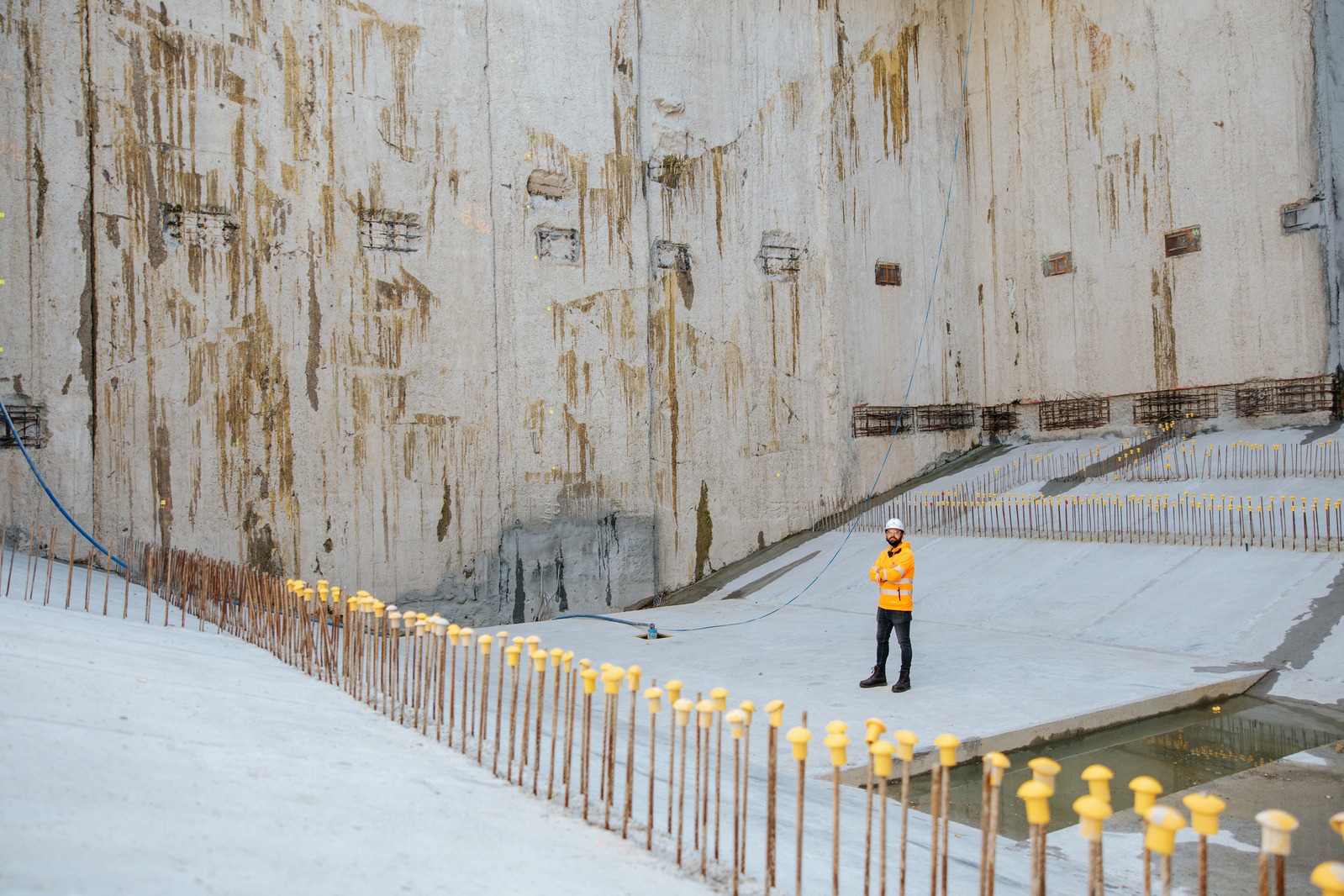
“After five months of intensive work, we’ve finished the construction of the diaphragm walls that serve as the trench shoring as well as the shaft frame and foundation,” says Wojciech Walczak, Project Manager at Soletanche Polska. Furthermore, he adds: “The walls have a thickness of 120 centimetres and reach a depth of 45 metres. Their impressive size meant that the installation of large reinforcement cages, weighing over 10 tons each, posed quite a challenge to us.”
The High-Speed Railway Tunnel in Łódź is a nearly 5-kilometre-long section running beneath the surface of the city. This key project is a part of the Central Communication Port and is intended to establish a fast railway connection between Warsaw, Łódź, Wrocław and Poznań. The General Contractor for this investment is Budimex, on whose order Soletanche Polska is conducting geotechnical works.
High-Speed Railway Tunnel construction and foundations
Soletanche Polska’s task was to construct diaphragm walls that would serve a number of key functions – they will be the trench shoring as well as the structural element and foundation of the shaft. The circumference of the “Retkinia” shaft shoring measures 438 running metres. The walls have a thickness of 120 centimetres and reach a depth of 45 metres. After their exposure, they will be secured with 52 temporary steel struts.
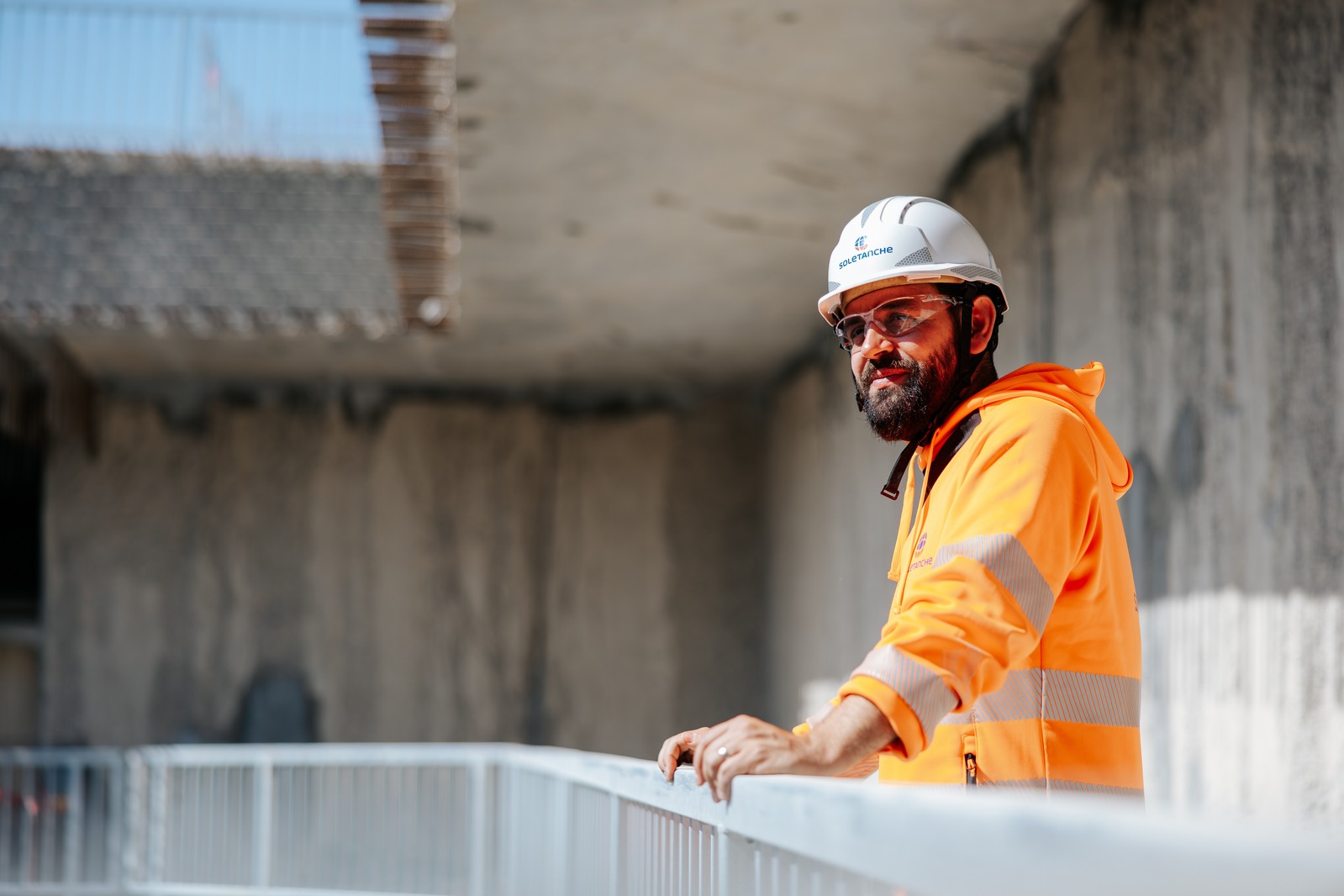
In order to protect the TBM starting shaft from groundwater inflows, the company set up a horizontal impermeable barrier (known as a plug) by means of jet grouting at a depth of nearly 30 metres. Additionally, Soletanche Polska applied the same technology to establish the thrust block (plug-out) for the TBM. It is intended to seal and reinforce the soil to ensure the stability of the cutter head.
“We began the geotechnical works in April 2024. After constructing the guide walls, we proceeded to produce the diaphragm walls. By the end of July, the work related to this task was over 75 percent complete. We embedded the final section of the diaphragm walls in concrete on the 2nd of September and thus finished our primary scope of production,” says Wojciech Walczak, Project Manager at Soletanche Polska.
Impressive diaphragm wall size
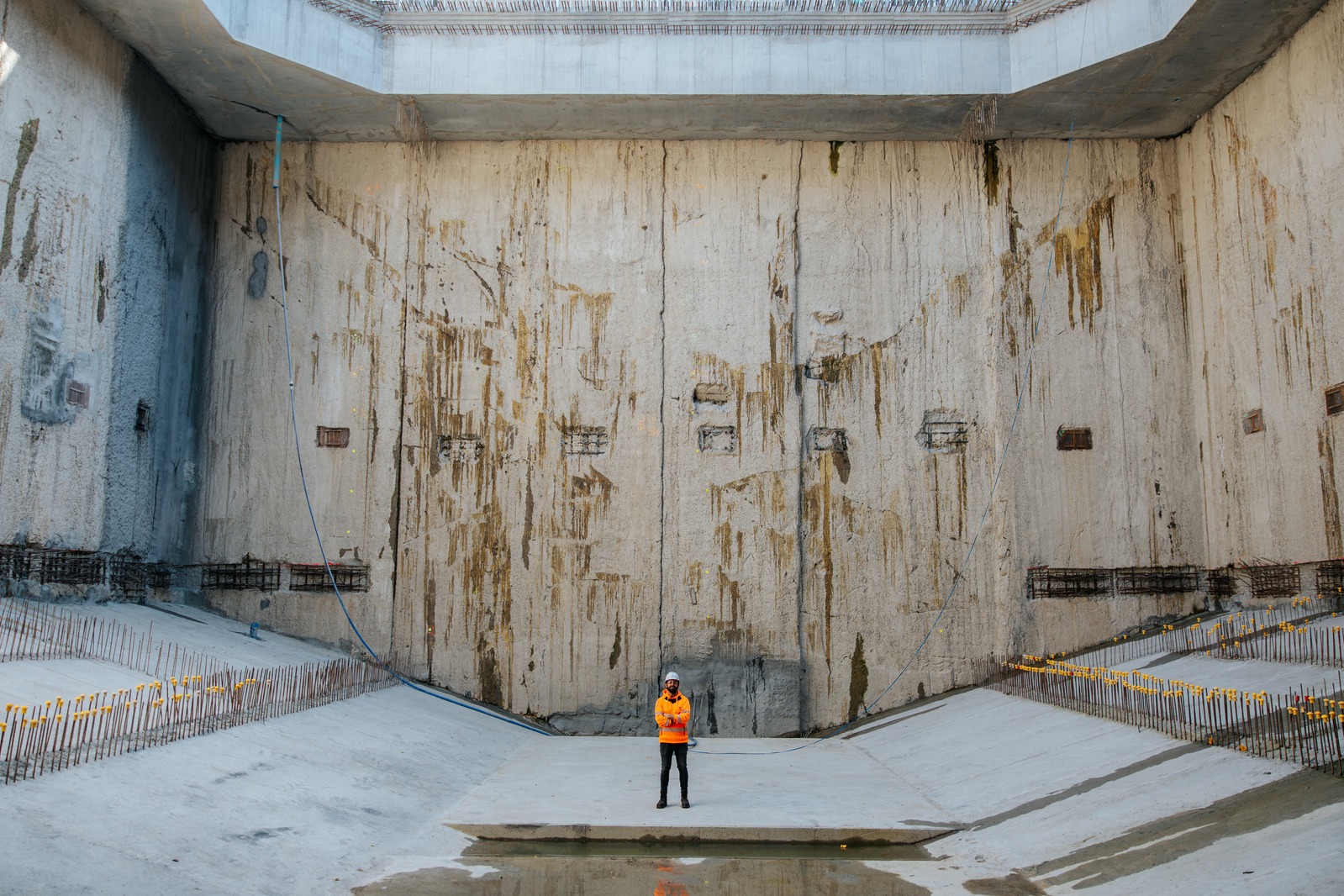
The most impressive element of the retaining structure of the “Retkinia” shaft are the diaphragm walls, whose thickness measures 120 centimetres, while their depth reaches as much as 45 metres.
“The challenge related to establishing diaphragm walls with such parameters is not limited only to the technical aspects of boring to such a depth, but also to ensuring the stability of the trench under complex geological conditions. At such a major scale of the work, it’s extremely important to maintain constant safety and precision during the installation of reinforcement cages, as at walls this big they can reach a mass of over 30 tons per section,” explains Wojciech Walczak, Project Manager at Soletanche Polska.
The future of public transport lies beneath the earth
As Soletanche Polska, we work on numerous investments that support the development of public transport in Poland. Examples of our projects include stations and tunnels in both lines of the Warsaw subway, where currently we work on the construction of the final station of the second subway line, C1 Karolin, and the exit tunnel to the Karolin depot station. In Kraków, we are building the diaphragm walls for the tramway tunnel and underground passenger stations as part of Stage IV of the Kraków Fast Tram. In Warsaw, we are finishing the work on the Warszawa Zachodnia station and commencing the construction of the tramway tunnel that will head out from Warszawa Zachodnia, pass under Aleje Jerozolimskie and the Five Sisters Park, and afterwards run along Bitwy Warszawskiej 1920 street.
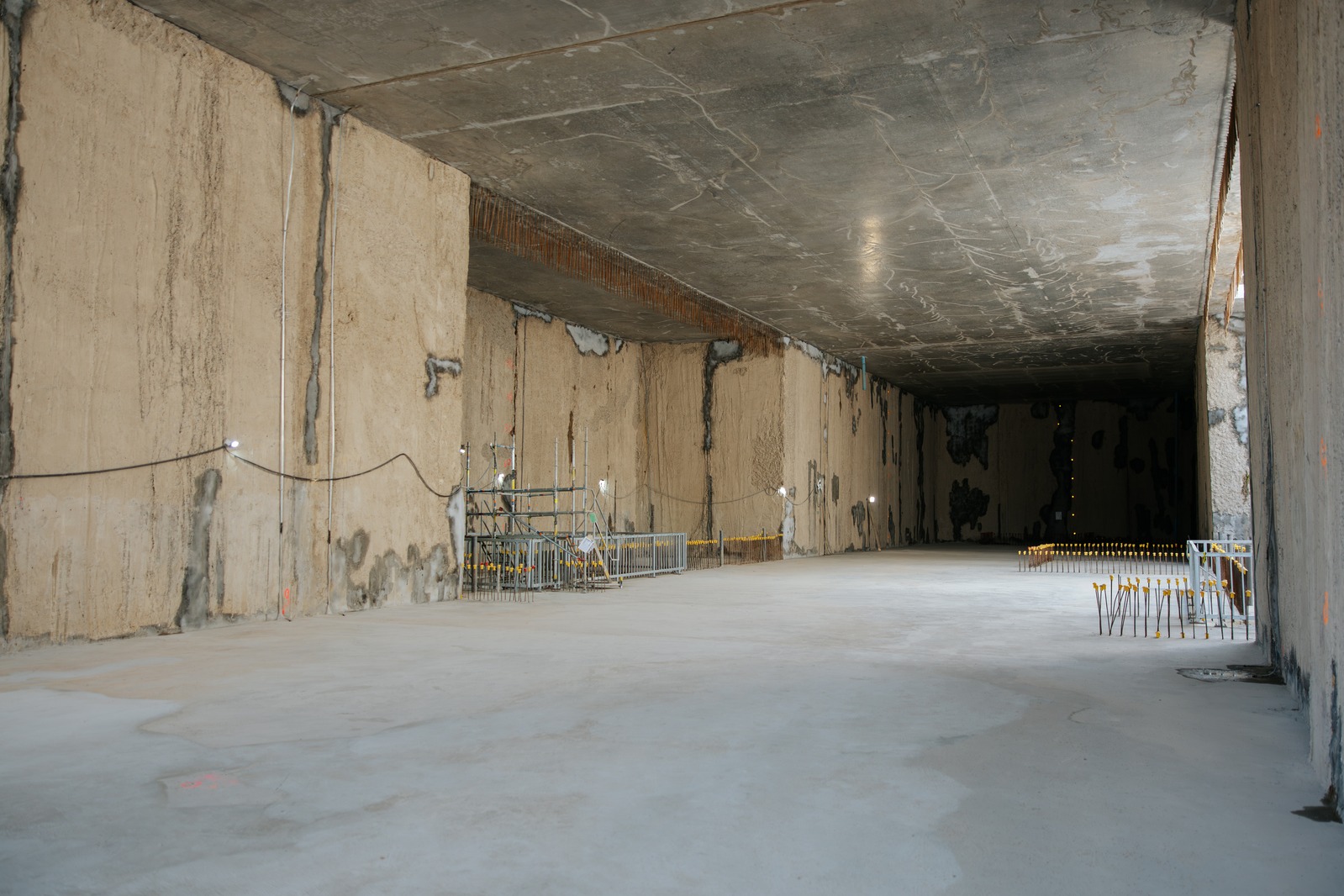
“Growing demand for sustainable and efficient urban transport requires the implementation of modern solutions. Investments in underground infrastructure, such as tunnels and metro lines, not only reduce congestion at street level but also improve traffic flow and minimize the environmental impact of transport.
This is a key step towards building more sustainable and future-ready cities. We are proud that, as Soletanche Polska, we have the opportunity to contribute to this positive trend by delivering solutions that support the development of modern infrastructure and address the challenges of rapidly growing urban areas,” emphasizes Wojciech Walczak, Project Manager at Soletanche Polska.